Negotiating Lower Insurance Premiums by Showcasing Documented Safety Initiatives
Risk Management as a Competitive Advantage
In the contemporary trucking and logistics sector, the management of insurance, premiums, and risk stands at a position of critical importance beside the managing of fuel costs or delivery deadlines. Increasingly companies under pressure from regulators and insurers are unmasking that the most efficient way is showcasing the safety initiatives documented as of the lower insurance premiums. It doesn’t mean merely crossing your fingers and hoping for a better rate — instead, it’s the art of laying out an unbeatable, data-based argument that proves you practically eliminate claims, manage liability, and protect your assets.
We at Leadgamp apply a risk management, measurable action, and transparent reporting-related orientation to insurance negotiation. With the implementation of strict safety policies and careful practices, we are documenting every initiative, and we are communicating them clearly. We have been able to assert low insurance premiums consistently, and it also helps with our mission-driven, safety-first fleet reputation.
This guide contains the detailed steps for you to apply the same approach to reduce costs, protect your business, and at the same time, increase the confidence of your drivers.
The Importance of Documented Safety for Insurers
Insurance companies are inherently in the business of risk calculation. It’s essential to state that they don’t price risks based on the past track record alone, rather, they rely on expectations they have for the future. If your fleet makes it abundantly clear that they’re working on accident prevention, liability reduction, and loss risk mitigation proactively, you can obtain lower premiums, in some cases even significant reductions.
That’s exactly the place where documented safety initiatives come into play. It does not make a difference whether the initiatives are driver training, dash cam programs, or vehicle maintenance protocols. The key is not solely to take the right action, it is also to document the action taken.
Insurers primarily seek:
- Incident response protocols
- Driver scorecard trends
- In-cab safety tech usage
- Training completion logs
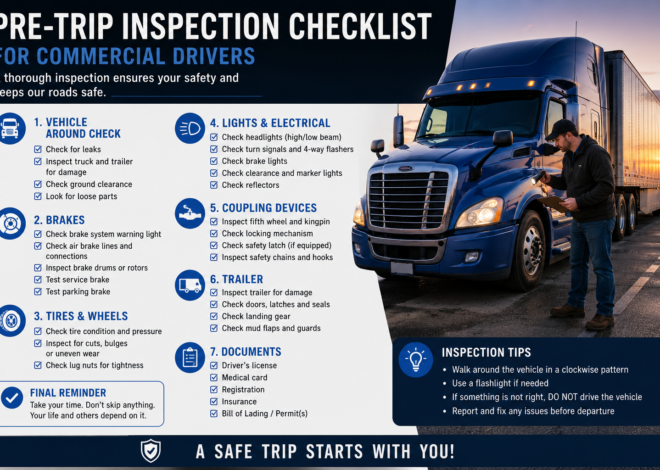
- Fleet inspection reports
All of which signify little likelihood of future claims.
Our partnership at Leadgamp with the safety compliance reports staffing in tandem with our renewal application was very transcendent. The insurer did not just take notice but also offered better terms about the coverage and an important reduction in our liability premium.
Safety Initiatives That Affect Premiums
All safety initiatives have not been equally perceived by underwriters. Some of them will have a greater effect on how your risk is comprehended. From our vast know-how and broker statements, we propose the high-impact areas you should prioritize:
1. Driver Training & Certification Programs
A properly documented, formal training program is evidence that your fleet outsteps the assumption of safety. Training topics should consist of:
- Defensive driving
- Hours-of-service compliance
- ELD (Electronic Logging Device) operation
- Adverse weather navigation
- Accident response protocols
Be sure to keep logs of completion, test scores, and refresher course participation.
2. Vehicle Maintenance Documentation
A truck that is prone to breakdowns is a truck that can cause accidents. Insurance companies desire:
- Maintenance schedules
- Records of pre-trip inspections
- Preventive service logs
- Certified technician signatures
All maintenance efforts should be stored digitally and updated regularly.
3. Use of Safety Technology
More and more, insurers are scrutinizing your tech stack. These tools are used not only to prevent accidents but also to diminish claims:
- AI dash cams
- Blind spot sensors
- Lane-departure alerts
- Collision-avoidance systems
- Speed governors
Document when and where these are installed and which units have them active.
4. Transparent Incident Tracking
Insurers value candor as well. Recording each incident (not only reportable crashes), near-miss assessments, and driver feedback demonstrate transparency and accountability.
The Sturdiness of Documentation in the Insurance Negotiation
Insurance negotiation is a platform to show your fleet’s commitment towards safety — it is not just a matter of saying you are concerned about safety, you have to show it. Think of it as an audit of your fleet’s culture and processes.
| Document Type | Why It Matters |
| Safety policies & handbook | Establishes your safety culture |
| Driver training logs | Shows who completed what and when |
| Vehicle inspection logs | Proves attention to mechanical risk |
| Loss run analysis | Contextualizes past claims with change |
| Telematics dashboards | Quantifies real-time performance metrics |
At Leadgamp, we brought together our safety documentation in one place by building a centralized compliance portal. This not only enhanced our internal accountability but also assured our insurance partners that we were managing both risk holistically rather than reactively.
Building a Safety Narrative That Sells
Insurers are accustomed to scrutinizing cold spreadsheets and thus the best way to break the routine is to frame your documentation in a narrative form.
- Begin with your mission. (We are a safety-first fleet committed to protecting lives and lowering costs.)
- Data backup it. (In the last 12 months, we’ve reduced preventable incidents by 36%.)
- What is set for the future? (We’re investing in predictive analytics to catch maintenance issues earlier.)
This is exactly the approach at Leadgamp. Every time we redefine our story to reflect the interests of the underwriting — claims, liability, and protection — we gain better response as well as better prices.
Steps to Make Your Case When Time for Renewal Comes
The majority of fleets that only send what the insurer wants don’t win. The fleets that do win lower insurance premiums are the ones that go beyond that by proactively sharing their safety case.
Your Insurance Premium Reduction Packet
- Executive summary of your safety program
- Breakdown of initiatives and implementation dates
- Before-and-after metrics (e.g., “dash cam rollout → 28% fewer incidents”)
- Timeline of training and compliance audits
- Photographic or PDF proof of maintenance and tech installs
- Any external safety certifications or awards

Your Talking Points
- “We’ve reduced incident frequency by [X]% over [Y] months.”
- “Our driver turnover has decreased — more experienced drivers mean lower risk.”
- “We’d like to discuss policy adjustments based on our updated safety profile.”
- “We’re willing to undergo a third-party safety audit if it helps justify better rates.”
Mistakes to Avoid Fort Insurance Negotiation
Even businesses with strong cultures of safety can unwittingly undermine their insurance negotiations. The following are the most common mistakes to evade:
1. Incomplete or Disorganized Documentation
Insurers simply don’t have sufficient time to search through the e-mails and loose PDFs. It’s recommended to organize the documents into a single binder or dashboard.
2. Waiting Until Renewal Season
Insurers appreciate engagement which is strategic and preemptive. Safety progress is a topic you can bring up without mentioning the renewal quote.
3. Overstating Claims or Hiding Data
Transparently stating any changes is the way to build trust. If there was a serious accident, explain what changed afterward.
What Metrics Matter Most to Insurers?
| Metric | How It Affects Insurance |
| Preventable crash rate | Higher rate = higher premiums |
| Driver turnover rate | High turnover = more risk, less experience |
| DOT/CSA score | Impacts underwriting risk calculations |
| Claims frequency/severity | Directly affects premium pricing |
| Speeding and braking events (telematics) | Show real-time safety compliance |
Leadgamp’s Experiences = Safety Equals Savings
At Leadgamp, we actualized a three-part recorded safety approach:
- Implementing a driver coaching system with AI dash cams in real time
- Carrying out quarterly safety training and tracking 100% compliance
- Fleet-wide digitization of maintenance logs
After we gathered and presented our safety narrative and data at renewal, the outcomes were evident:
- A total insurance premium cut by 24% over two years
- Lower deductibles on collision claims
- Previously expanded coverage without rate increases
Broker feedback contains a point: “One of the most proactive safety cultures we’ve seen.”

Final Thoughts: Convert Safety to a Negotiation Tool
Negotiating lower insurance premiums is not just a once-a-year conversation, it is a continual effort that is based on your daily workings and the ability to display documented safety initiatives in such a way that they are valued and understood by the insurers.
For fleets like Leadgamp, the focus is not only about protecting the business but also about leading with purpose, integrating growth with safety, and utilizing data to the maximum just like the drivers do.
If you want to protect your personnel, equipment, and reputation while also cutting costs, there’s a clear route: you need to document everything, keep improving continuously and negotiate with confidence