How Truck Drivers Can Protect Their Energy on Multi-Day Freight Runs

Energy Is a Work Tool, Not a Luxury
A multi-day freight run asks a lot from a driver. The work includes more than steering and watching mirrors: appointment pressure, paperwork, fuel decisions, backing into unfamiliar docks, changing weather, long periods of attention, and the mental effort of being away from home. When energy runs low, every task feels harder and small setbacks feel larger. Treating sleep, food, movement, hydration, and breaks as part of the operating plan helps protect focus in the same way a careful pre-trip protects the equipment.
This does not require an ideal routine or a refrigerator full of perfectly prepared meals. The road rarely allows that kind of control. It does require a few habits that still work at a fuel island, a receiver, or a crowded rest area. The most useful habits are usually modest: keeping water where it is easy to reach, choosing one filling meal before the day gets long, moving for five minutes during a stop, and making a consistent wind-down routine possible in the sleeper. Small choices repeated over several days can make a major difference in how a driver feels at the end of the run.
Protect the Sleep Window First
Sleep is the foundation of useful energy, which is why the rest period deserves protection even when the schedule feels busy. Once a safe parking spot is secured, reduce the number of decisions left for the next morning. Put the keys, paperwork, phone charger, water, and clothes in their usual places. Dim the cab, lower notifications, and give the mind a short transition out of work mode. A familiar twenty-minute sequence is easier to follow than a complicated wellness plan, and it tells the body that the driving day has ended.
Parking conditions will not always be quiet, cool, or convenient, so practical adjustments matter. Window covers, earplugs, a fan, a clean sleeping area, and a charger that does not leave the phone buzzing all night can improve a sleeper berth without much cost. If a late stop cuts into the available rest window, resist the temptation to fill the remaining time with scrolling or unnecessary tasks. The next day’s route, fuel stop, and appointment can be reviewed before sleep or with a short structured check in the morning. Rest is not lost time; it is the recovery that keeps the next shift safe and steady.

Build Meals and Snacks Around Staying Power
Food on the road does not have to be perfect to be useful. The goal is to avoid the sharp rise and crash that can follow a large, sugary meal when a driver still has several hours of traffic and paperwork ahead. A simple combination of protein, fiber, and something fresh tends to hold up better: eggs, yogurt, nuts, fruit, vegetables, lean meat, beans, or a prepared salad with a filling protein. Keep a few options that do not require a kitchen in the cab so a delayed appointment does not automatically turn into a vending-machine dinner.
Caffeine can be a helpful tool, but it works best when it supports a rested driver instead of covering up exhaustion. Use it deliberately, drink water alongside it, and avoid turning late-day coffee into a reason sleep becomes harder later. A refillable bottle in the cup holder is a small reminder to hydrate through the shift. At a stop, choose the next snack before hunger is urgent. That one decision makes it easier to pass up the heavy, rushed choice that leaves a driver uncomfortable and tired before the next leg has even started.
Use Stops for Movement and a Mental Reset
Long sitting periods make the body stiff and can make attention feel narrow. A fuel stop, scale house wait, or receiver delay can become a brief reset rather than dead time. Walk the perimeter of the truck when it is safe, roll the shoulders, stretch the hips and calves, and take a few slow breaths away from the cab. Five or ten minutes of movement is enough to change how the next hour feels, especially when it becomes a repeatable part of each stop instead of something saved for a day off.
These breaks also create a chance to notice what the mind is doing. If frustration is building after a slow dock or aggressive traffic, a short pause can prevent that feeling from following the driver back onto the highway. Review the next destination, send the needed update, and return to the seat with one clear next step. The purpose is not to eliminate the normal strain of trucking; it is to keep that strain from accumulating unnoticed until concentration and judgment start to suffer.
Plan the Last Part of the Day Before It Becomes Urgent
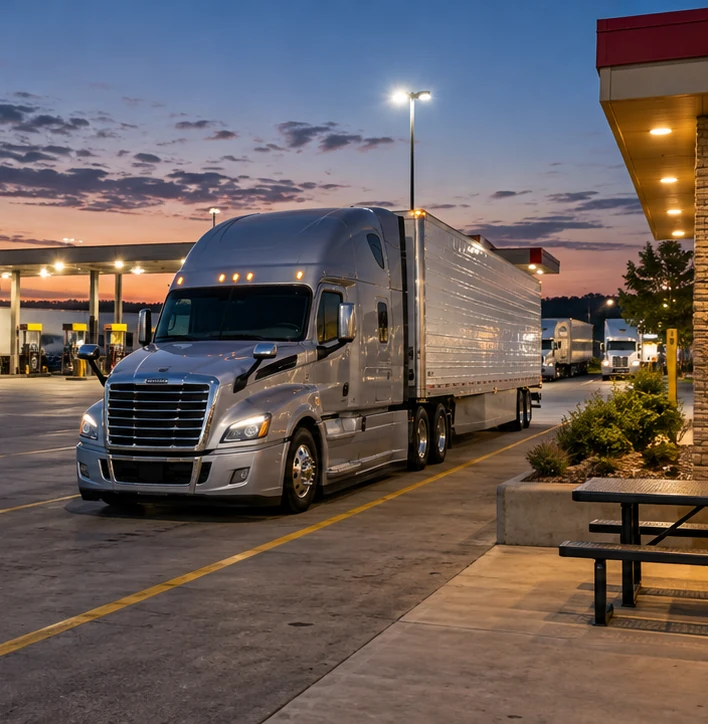
Energy management is closely connected to parking and time management. Early in the day, identify a primary stop and one or two alternatives that fit the remaining hours. This lowers the chance of driving tired while searching for a place late at night. If a facility offers overnight parking, confirm the rules rather than assuming. If the plan changes because of weather, traffic, or a shipper delay, make the decision earlier than feels necessary. A safe, acceptable stop is often better than chasing a perfect one after the clock and patience are both nearly gone.
Over several days, the strongest routine is the one that can survive imperfect conditions. A driver may not cook every meal, get a long walk, or stop at the preferred parking lot each night. But keeping the essentials—safe rest, steady hydration, reasonable food, short movement, clear communication, and a realistic stopping plan—creates a base that travels well. Freight work demands consistency, and the driver’s own energy deserves the same practical planning given to fuel, maintenance, and customer service.
Keep the Routine Useful When the Day Goes Sideways
Some runs will still include traffic, a long wait at a receiver, a changed appointment, or weather that forces a different route. On those days, energy habits should simplify the next decision rather than become another item to feel behind on. Choose the next safe place to stop, eat something that will carry you through the next leg, drink water, and give the body a short break from the seat. A driver does not need to solve the whole week while standing beside the fuel pump. It is enough to restore a little margin, communicate a realistic update, and return to the route with a clear plan for the next few hours.
A small personal checklist can help: water filled, food available, next parking option identified, paperwork organized, and no unresolved message that will become a surprise later. Those checks keep the working day from spilling into the rest period and make it easier to arrive at the sleeper berth ready to recover. The result is not a perfect schedule. It is a more durable one. Drivers who protect that margin are better positioned to notice hazards, handle customer interactions professionally, and finish a demanding multi-day run with enough focus left for the final miles and the work waiting at the next stop.